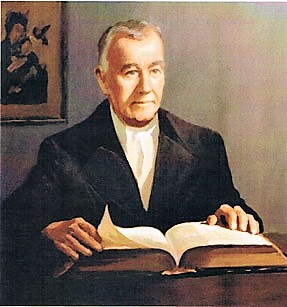
Originating in an old stable in New Street, County Waterford, was the first un-official school deployed by Edmund Rice. The loss of his wife came at an early age and left him a widow with an only child. Leaving his previous life as successful businessman behind, Edmund Rice entrusted his daughter to his brother Patrick and endeavored to take an alternative direction in life.[6]
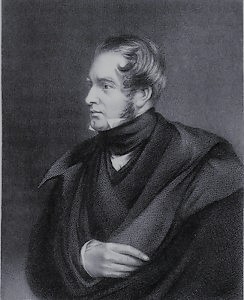
With the Catholic Emancipation on the horizon, the window for denominational education was in sight. There was a strong argument made by Thomas Wyse, encouraging and promoting non-denominational education throughout Ireland which was opposed by many. Finally, Lord Edward Stanley, using Wyse’s strategy, made a proposal to Westminister in September 1831. The Stanley Letter proposed that all children of different religions be educated together and that various religious teachings would be carried out by the clergy on allocated days. However, after Wyse retried from Ireland, the denominational education system expanded with the influence of the Archbishop Cardinal Cullen. This would change the shape of the education in Ireland. To add to that, the Christian Brothers had outwardly shown their concern with widely controversial debate of the influence the Protestant and British teachings and by 1836, had removed themselves from the system. [9]
 CBS Westland Row